How to help your cat deal with indoor boredom
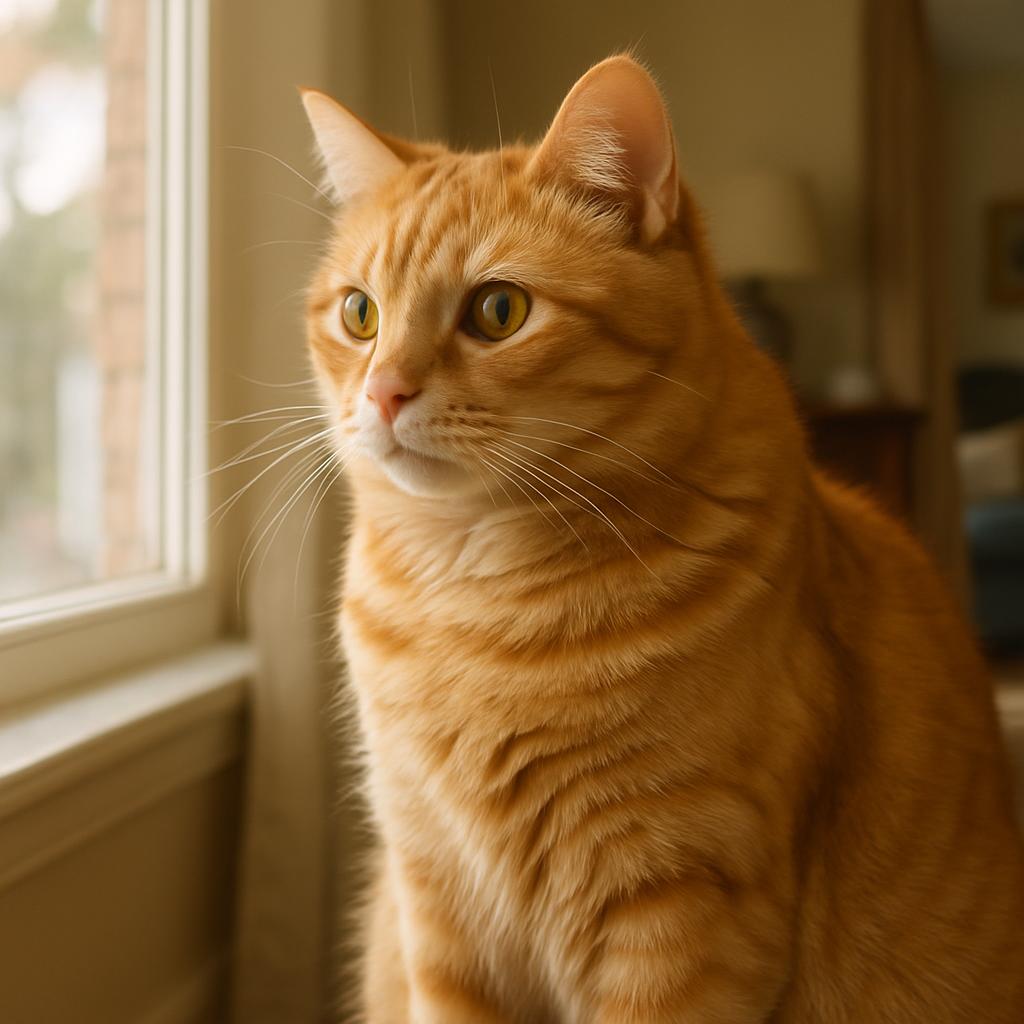
Indoor cats often enjoy the safety and comfort of home, but they can also get bored without enough stimulation. Unlike outdoor cats, they don’t have the chance to explore, hunt, or see new things regularly. This can sometimes lead to restlessness or even behavior problems like scratching furniture or over-grooming.
Fortunately, there are many ways to keep your indoor cat interested and active. Small changes to their environment and daily routine can make a big difference in their mood and health.
Provide varied play opportunities
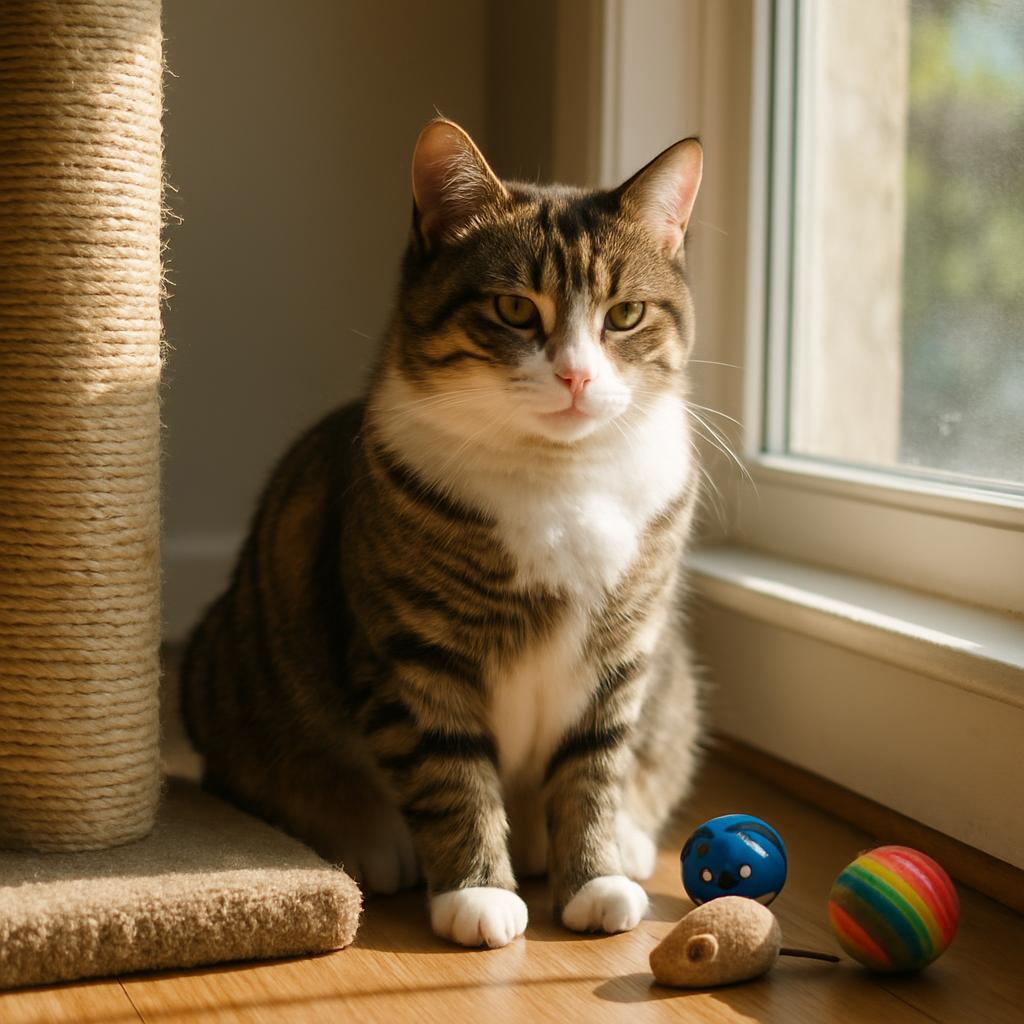
Cats love to chase, pounce, and explore. Playing with your cat every day is one of the best ways to keep boredom away. Use toys that mimic prey, such as feather wands, laser pointers, or small balls. Rotate toys regularly to keep them novel and exciting.
Try short play sessions several times a day instead of one long one. Cats are often most active in bursts, so 5 to 10 minutes of play multiple times can match their natural rhythms.
Create climbing and hiding spots
Cats feel safest when they can observe from a high perch or hide away when they want privacy. Adding cat trees, shelves, or window perches gives them new places to explore and rest.
Boxes, paper bags, or fabric tunnels are inexpensive and fun hiding spots. Changing their layout occasionally can keep your cat curious.
Use interactive feeders and puzzle toys
Feeding your cat with interactive toys slows down mealtime and engages their brain. Puzzle feeders require cats to think and work for their food or treats, simulating hunting behavior.
These toys not only reduce boredom but can also prevent overeating and promote a healthy weight.
Let your cat watch the outside world
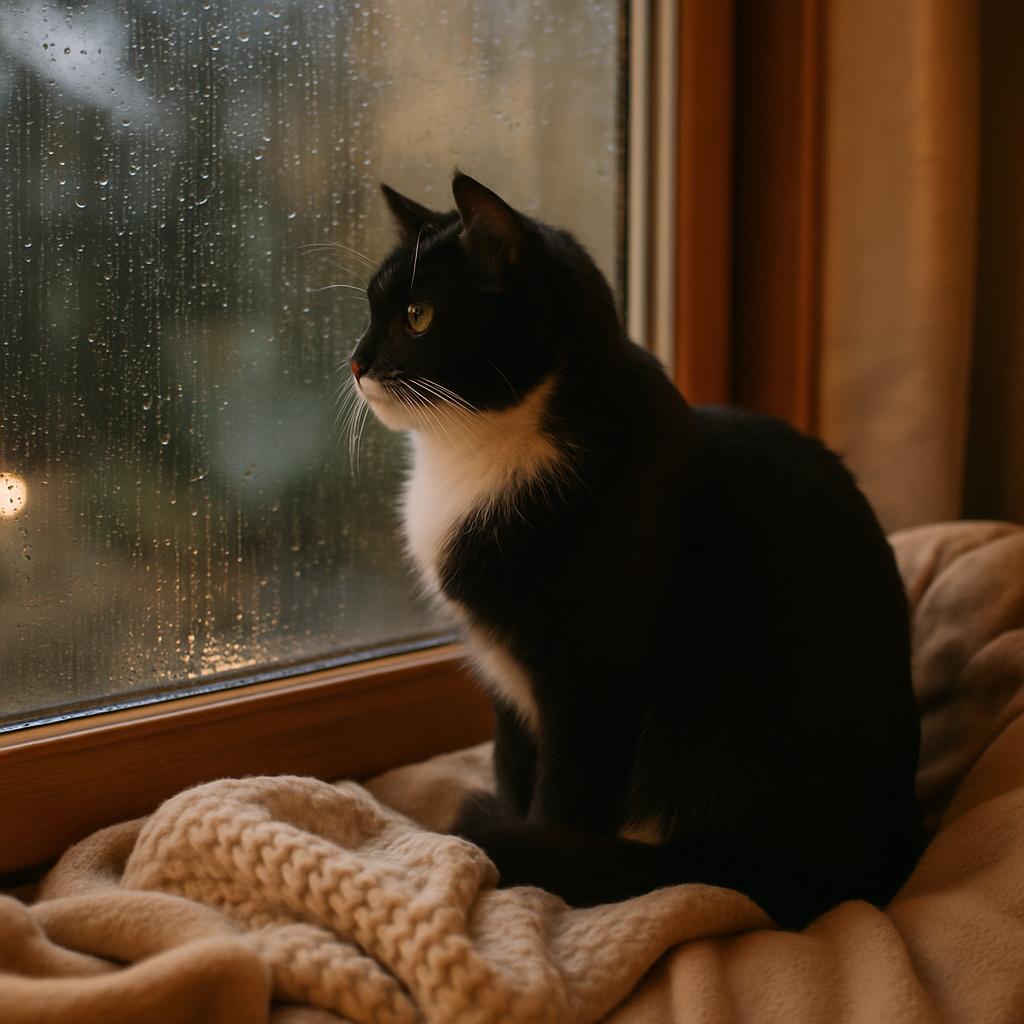
A window perch or secured balcony allows your cat to observe birds, squirrels, and other outdoor activity. This visual stimulation can be very satisfying.
Make sure the window screen is secure to keep your cat safe. You might also try placing a bird feeder outside the window to encourage visits from local wildlife.
Rotate resting spots and bedding
Cats love comfort and novelty combined. Moving their bed or blanket to different rooms or sunny spots throughout the day can give them fresh sights and scents.
This simple change can encourage your cat to explore parts of your home they might not usually visit.
Watch for signs your cat needs extra help
If your cat shows signs of stress like excessive grooming, hiding, or aggression, it could be a sign of boredom or anxiety. Consult your veterinarian or a cat behaviorist if you notice these behaviors.
Sometimes medical issues or changes in the household can also affect your cat’s mood and activity.
Helping your cat deal with indoor boredom takes some effort but pays off in a happier, healthier pet. Small daily routines and thoughtful changes to their environment can keep your feline friend entertained and content all year round.