Keeping your dog safe around lakes and ponds
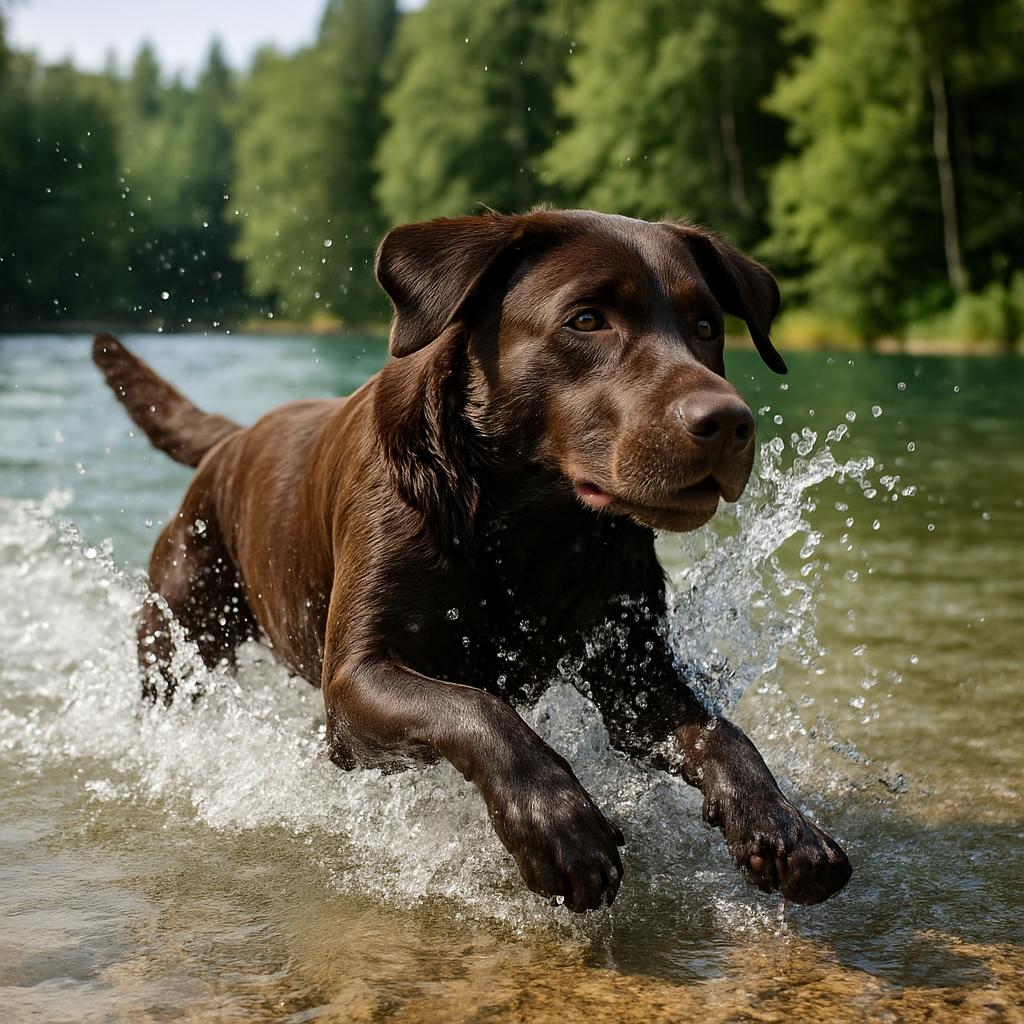
Spending time near lakes and ponds is a favorite way for many dogs to play and cool off. While these water spots offer great fun, they also bring unique risks that every dog owner should know about. Whether you’re at a local pond or a large lake, being prepared helps keep your dog safe.
Water safety isn’t just for summer. Cooler months can still tempt dogs to swim or drink from outdoor water sources. Knowing what to watch for and how to respond can prevent trouble and help you enjoy outdoor adventures with your dog worry-free.
Watch for water hazards
Natural water bodies like lakes and ponds can vary widely. Some have gentle shorelines, while others have steep or muddy edges that may be tricky for dogs to navigate. Algae blooms, especially blue-green algae, are toxic and can be deadly if ingested. Signs of algae include bright green, blue, or turquoise scum floating on the water’s surface.
Other dangers include strong currents, deep drop-offs, hidden debris like broken glass or sharp sticks, and cold water temperatures. Cold water can cause hypothermia even on warmer days. It’s best to check the area carefully before allowing your dog to swim or wade.
Supervise your dog at all times
Never leave your dog unattended near lakes or ponds. Even strong swimmers can get into trouble with currents or exhaustion. Keep your dog within sight and close enough to call back quickly if needed.
If you’re in a popular area, be aware of other dogs or wildlife that might distract or startle your pet. Leash rules vary by location, but using a long leash or training your dog to come reliably can add a layer of safety.
Bring safety gear
A dog-specific life jacket is a smart choice, especially for dogs new to swimming or those with short legs or low body fat. Life jackets provide extra buoyancy and often have handles to help you lift your dog out of the water.
Carry fresh water and a bowl to discourage your dog from drinking lake or pond water, which can contain bacteria or parasites. Rinse your dog off with clean water after swimming to remove algae, mud, or other irritants.
Know the signs of trouble
Watch for signs your dog is struggling, such as frantic paddling, head low in the water, or inability to move toward shore. If your dog suddenly stops swimming or seems disoriented, get them out of the water immediately.
After swimming, monitor your dog for coughing, vomiting, lethargy, or difficulty breathing. These could be signs of water aspiration or infection. Contact your veterinarian promptly if you notice any unusual symptoms.
What to do in an emergency
If your dog is caught in a current or appears to be drowning, try to reach them with a branch, rope, or throw a life jacket, but avoid jumping in yourself unless trained to do so. Call for help if you can.
After rescuing your dog, dry them off and keep them warm. If they are unconscious or not breathing, perform canine CPR if you know how, and take them to a vet immediately.
Plan fun safely
Taking a few precautions lets you enjoy lakes and ponds with your dog while reducing risks. Scout the area first, bring safety gear, and keep your dog close and supervised. With thoughtful care, you can make water outings safe and happy experiences year-round.