Protecting your dog's paws during wet, chilly weather
As the days grow colder and wetter, your dog's paws face new challenges. Wet pavement, mud, ice, and salt can all cause discomfort or even injury. Taking simple steps to protect your dog's paws helps keep them healthy and happy during fall and winter walks.
Many dogs love their daily strolls, no matter the weather, but damp and chilly conditions can lead to cracked paw pads, irritation, or infections if paws aren't cared for properly. Paying attention to your dog's paws and providing some extra protection makes walking outside safer and more enjoyable.
Check paws after every walk
After walks, especially in wet or muddy conditions, take a moment to inspect your dog's paws. Look between the toes for debris like small stones, twigs, or leaves that might have gotten stuck. Remove anything gently to prevent irritation or cuts.
Also check for redness, swelling, cracks, or sores. If your dog is licking their paws more than usual, this can be a sign of discomfort or injury. Wipe paws clean with a damp cloth or pet-safe wipes to remove dirt and possible irritants like road salt or de-icing chemicals.
Use protective boots when needed
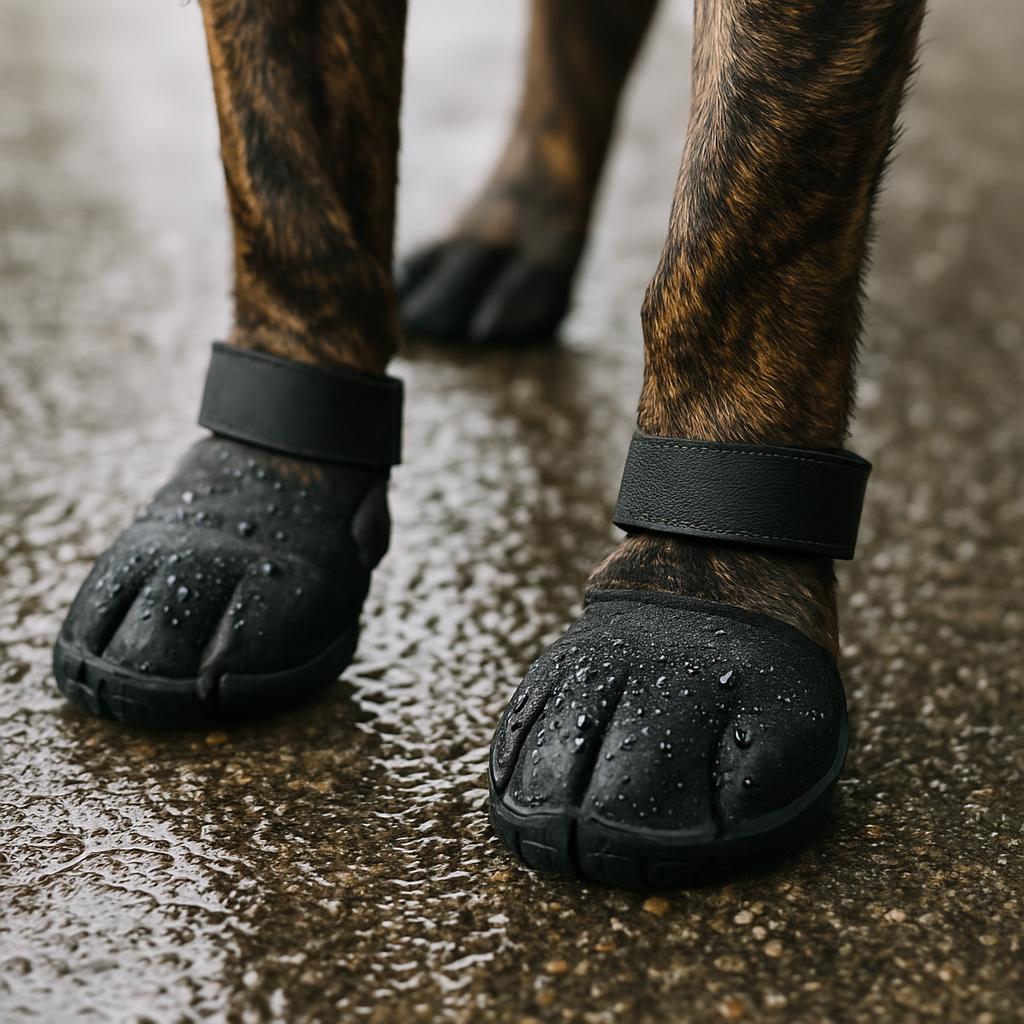
Boots can be a great way to shield your dog's paws from harsh conditions. There are many styles designed for traction, warmth, and waterproofing. If your dog isn’t used to boots, introduce them gradually by letting your dog wear them indoors for short periods, paired with treats and praise.
Boots help prevent cuts from sharp ice or debris and reduce contact with salt and chemicals that can dry or burn paw pads. Make sure boots fit well — too tight can hurt, too loose can fall off. Check and adjust straps frequently.
Apply paw balm regularly
Applying a moisturizing paw balm or wax can protect your dog’s paw pads by creating a barrier against moisture and rough surfaces. Choose a product made specifically for pets, free from harmful ingredients.
Apply balm daily during wet and cold seasons, especially before walks. This helps keep pads supple and prevents cracking. If your dog is reluctant to let you apply it, try a little on their nose or paw first to encourage licking.
Trim fur around paws
Long fur between the toes can trap mud and ice balls, causing discomfort or slipping. Regularly trimming this fur helps keep paws cleaner and reduces slipping hazards.
Use blunt-ended scissors or grooming clippers designed for pets, and be careful not to cut the skin. If you’re unsure about trimming, ask your groomer or vet for help or advice.
Avoid salted or treated areas when possible
Road salt and chemical ice-melts can irritate paws and be toxic if ingested. Try to avoid walking your dog on heavily salted sidewalks or roads.
If you have no choice, rinse your dog’s paws with warm water or wipe them immediately after the walk to remove residues. This also helps prevent your dog from licking harmful substances off their paws.
When to see your veterinarian
If you notice persistent limping, swelling, bleeding, or sores on your dog’s paws, it’s best to consult a veterinarian. They can check for infections or more serious injuries and recommend treatment.
Taking care of your dog’s paws during wet, chilly weather protects their comfort and health. A little extra attention goes a long way toward happy, safe walks throughout the cooler months.