Helping your cat stay calm during seasonal changes

Many cats feel the effects of changing seasons, even if they spend most of their time indoors. The shift in daylight, temperature, and routine can cause stress or restlessness. You might notice your cat hiding more, being less playful, or showing changes in appetite.
As a pet owner, your goal is to help your cat feel secure and comfortable. Small adjustments can make a big difference in easing seasonal stress.
Identify signs your cat is affected
Cats may not always show obvious signs of stress. Watch for subtle clues like:
- Increased vocalizing or yowling
- Changes in grooming habits, such as overgrooming or neglecting fur
- Hiding or avoiding usual spots
- Restlessness, pacing, or nighttime activity
- Changes in litter box use or appetite
If you notice these behaviors lasting more than a few days, it’s a good idea to consult your veterinarian to rule out health issues.
Create a calm environment
Cats feel safest when their surroundings are predictable. During seasonal changes, try these approaches:
- Keep feeding, play, and sleep times consistent
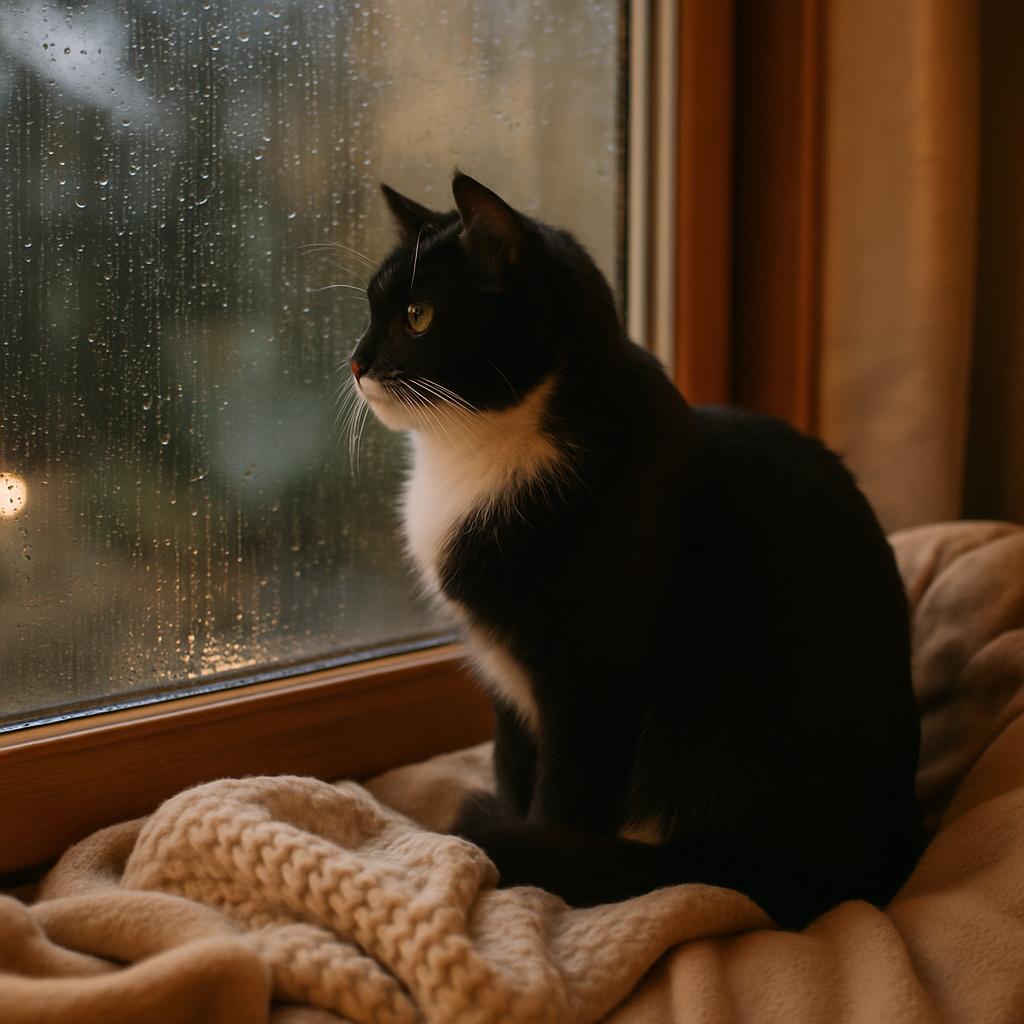
- Provide cozy, warm resting spots near windows with sun
- Use pheromone diffusers designed for cats to promote relaxation
- Avoid loud noises and sudden changes in furniture or décor
A calm atmosphere helps reduce anxiety and can prevent behavior issues.
Support natural rhythms with light
Daylight changes affect your cat’s internal clock. To help:
- Open curtains during the day to let in natural light
- Consider timed lighting to mimic natural day-night cycles indoors
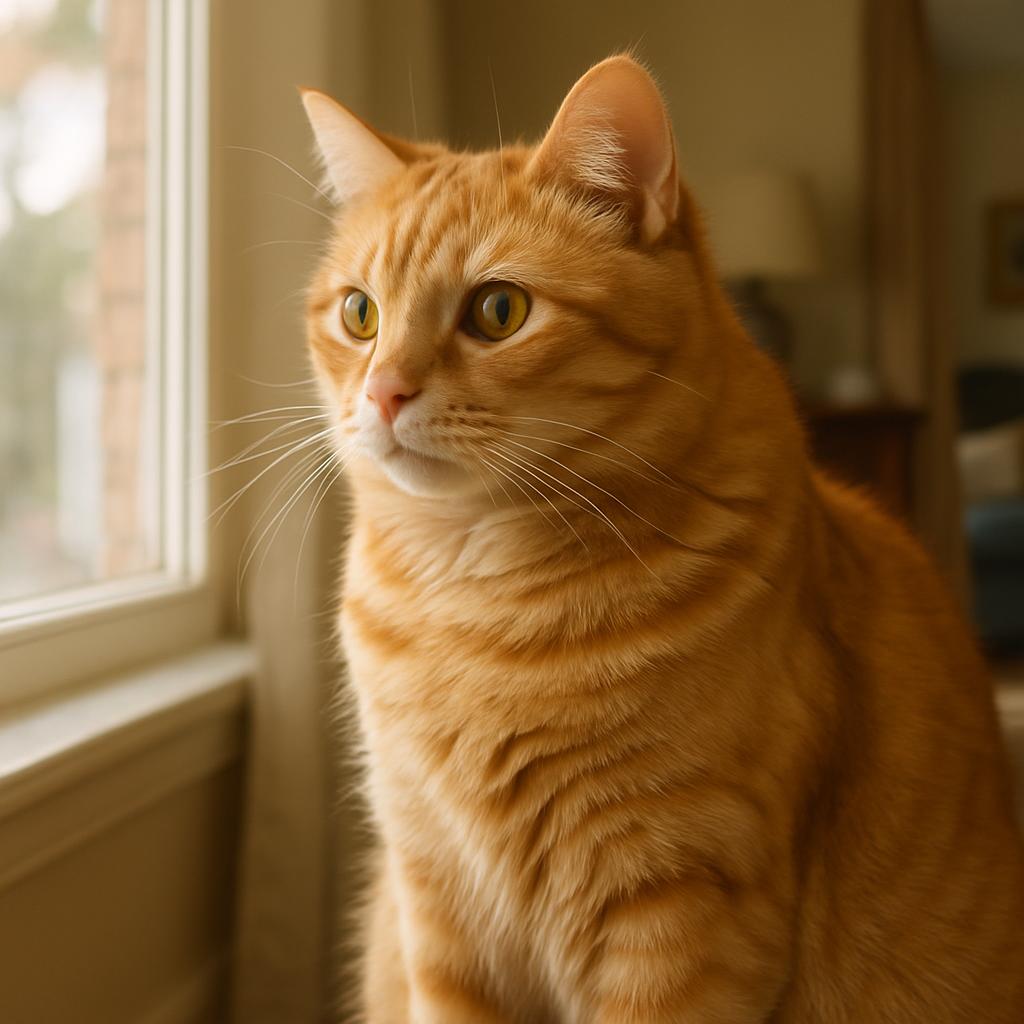
- Provide sunny window perches where your cat can bask
These steps can help your cat adjust more smoothly to shorter or longer days.
Engage your cat in gentle play
Play is a great stress reliever. Seasonal changes can reduce outdoor time, making indoor play even more important. Tips include:
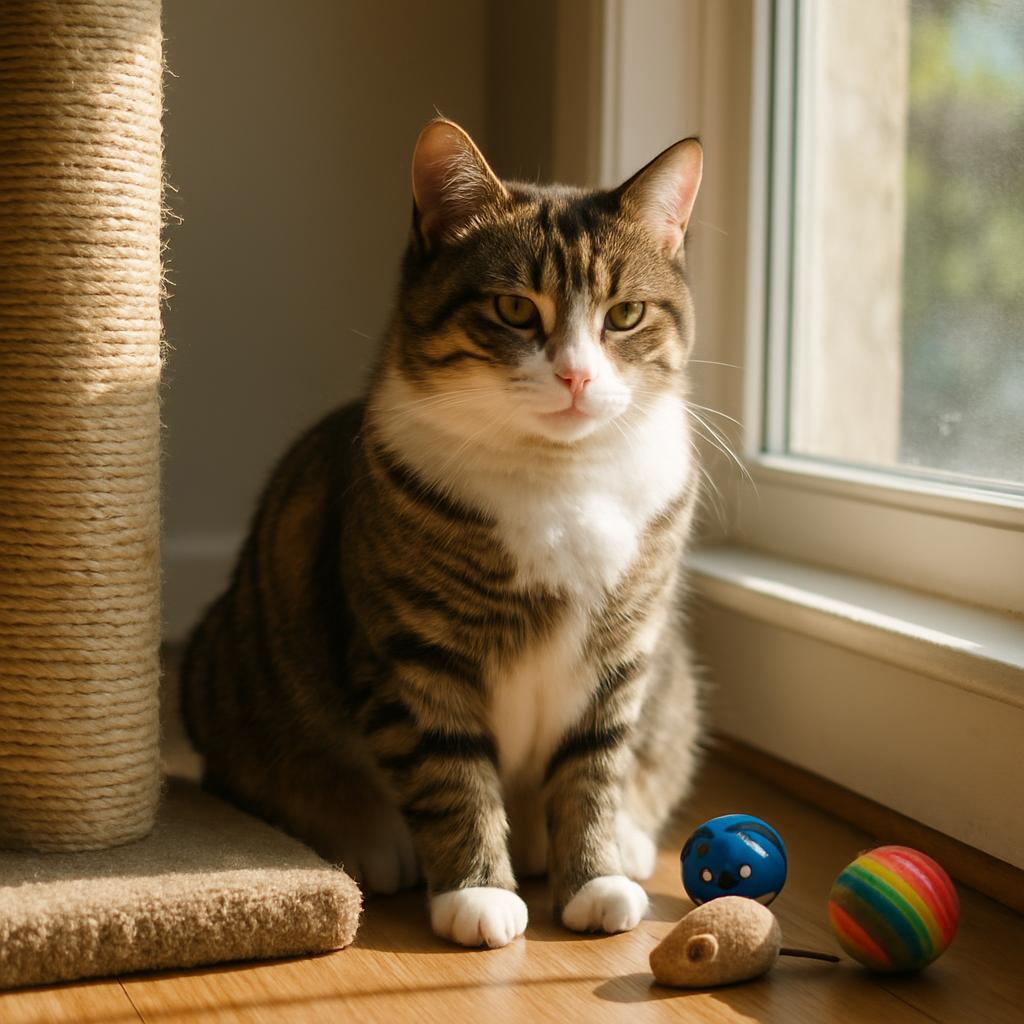
- Use interactive toys like feather wands or laser pointers
- Schedule short, frequent play sessions to burn off energy
- Rotate toys so your cat doesn’t get bored
Play supports mental and physical health, helping your cat feel happier.
Monitor health and behavior regularly
Keep an eye on your cat’s overall condition during seasonal transitions. Take note of:
- Eating and drinking habits
- Litter box use
- Grooming
- Energy levels
If you see worrying changes, reach out to your vet for advice. They can check for underlying causes or recommend behavior support.
Seasonal changes can be challenging for cats, but with patience and care, you can help your feline friend stay calm and comfortable all year round.