Tips for managing pet allergies in fall
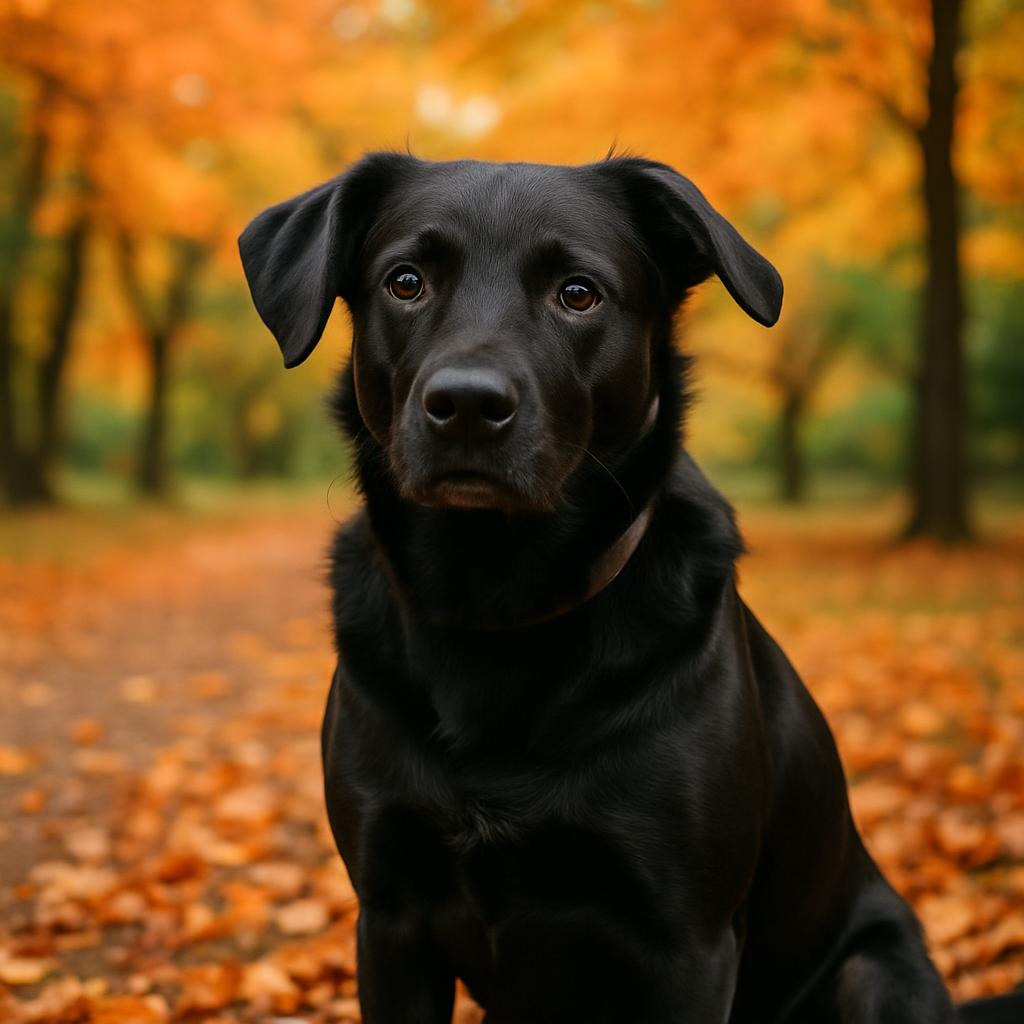
Fall can be a wonderful time to enjoy the outdoors with your pet. The cool air and colorful leaves make walks and playtime more enjoyable. But for some pets, this season also brings challenges like allergies. Just like people, pets can react to pollen, mold, and other allergens that are more common in fall.
If your pet starts sneezing, scratching, or showing other signs of discomfort, it might be due to allergies. Knowing what to look for and how to help can make a big difference in your pet’s comfort. Below are some practical tips to manage pet allergies during the fall season.
Recognize symptoms of fall allergies in pets
Pets with allergies often show signs through their skin and behavior. Common symptoms include:
- Excessive scratching or licking, especially on paws, ears, or belly
- Red, inflamed, or flaky skin
- Sneezing or coughing
- Watery or irritated eyes
- Frequent ear infections
Keep an eye out for these signs, especially if your pet usually doesn’t scratch or lick as much. Seasonal allergies can sometimes look like other health issues, so if symptoms persist, a veterinarian visit is the best way to find out what’s going on.
Keep your pet clean and allergen-free
One simple way to reduce allergy symptoms is to wash off allergens after outdoor time. Fall can bring pollen and mold spores on your pet’s fur, which can worsen itching and irritation.
Try to wipe down your pet’s coat and paws with a damp cloth after walks. Bathing your pet regularly with a gentle, vet-approved shampoo can also help remove allergens from the skin and fur. Just be careful not to over-bathe, as that can dry out the skin and cause more irritation.
Create a clean indoor environment
Fall allergens can also come indoors on your pet’s fur and paws. Vacuum your floors often and use air purifiers if possible to reduce dust, pollen, and mold spores inside your home.
Make sure your pet has a clean, cozy spot to rest that’s away from drafts or damp areas where mold might grow. Washing your pet’s bedding regularly is another good step to keep allergens at bay.
Manage your pet’s diet and supplements
Good nutrition supports your pet’s skin and immune system, helping them handle allergies better. Talk with your vet about diets or supplements that might reduce inflammation or improve skin health.
Some pets benefit from omega-3 fatty acids found in fish oil, but always check with your vet before adding anything new to your pet’s diet. Never use human supplements or medications without professional advice.
Watch for more serious allergy reactions
While most fall allergies cause mild discomfort, some pets can develop more serious issues like severe ear infections or skin infections from constant scratching. Look for swelling, foul smells, pus, or open sores on your pet’s skin or ears.
If you notice these signs, contact your veterinarian promptly. They can suggest treatments or medications to relieve your pet’s pain and prevent complications.
Plan for vet visits and allergy testing
If your pet’s allergy symptoms don’t improve with home care, it might be time for professional help. Your vet can perform allergy tests to identify specific triggers and develop a treatment plan.
This plan might include prescription medications, allergy shots, or special shampoos. Early intervention can greatly improve your pet’s quality of life during allergy season.
Managing fall allergies in pets takes some attention but is very doable. With care and observation, your furry friend can enjoy the season comfortably alongside you. If you use tools like Furbuz, setting reminders for baths, vet visits, or medication can help keep allergy care on track throughout the fall.