Making evenings cozy for your senior cat
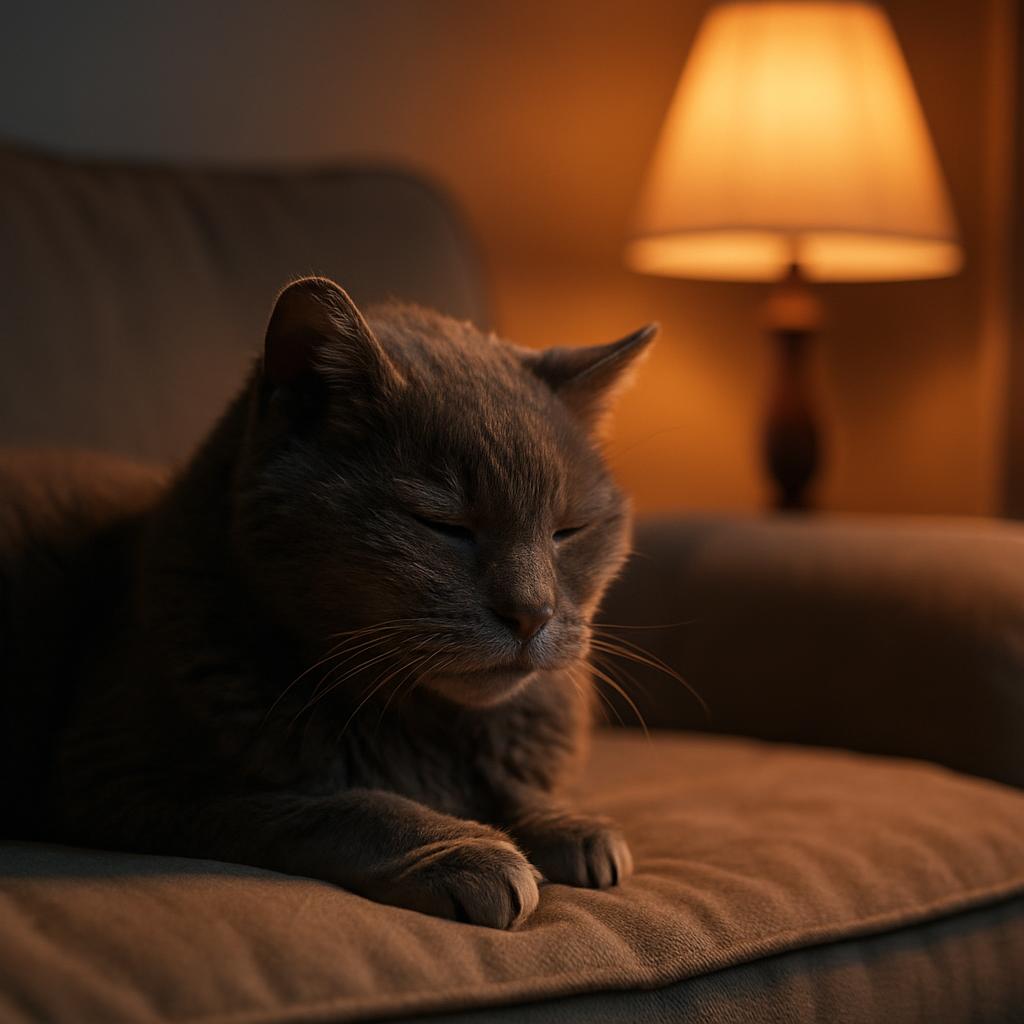
As the evenings get cooler and the days grow shorter, senior cats often seek extra comfort and warmth. Aging cats can become more sensitive to temperature changes and might need a little extra care to stay cozy and relaxed when the light fades and the air chills.
Creating a peaceful and warm space for your senior cat helps reduce stress and supports their overall well-being. Along with comfort, gentle interaction and routine can make these quieter hours enjoyable for your older feline friend.
Provide a warm resting spot
Senior cats may have arthritis or joint stiffness that makes colder surfaces uncomfortable. Place soft blankets or pet-safe heated pads on their favorite couch or bed. Make sure the heating option is designed for pets and has an automatic shutoff feature for safety.
A spot near a lamp or away from drafts is ideal. Since cats love warmth, a sunny spot during the day or a cozy nook by a lamp at dusk can become their go-to place. Check that the area is free from clutter and easy for them to access without jumping or climbing too much.
Keep the lighting soft and calm
Older cats can become sensitive to changes in lighting. Harsh or flickering lights may cause discomfort or anxiety. Using a warm-hued lamp instead of bright overhead lighting helps create a soothing environment.
Dim lighting signals that it’s time to wind down, making it easier for your cat to relax. A small lamp with a soft glow near their resting area can mimic the fading daylight and provide a sense of security.
Maintain a consistent evening routine
Cats thrive on routine, especially seniors who may be more sensitive to environmental changes. Try to feed, groom, and play with your cat at roughly the same times each evening. This predictability can lower anxiety and help them feel safe.
Gentle, low-energy play or petting sessions can strengthen your bond while avoiding overstimulation. Pay attention to your cat’s cues; if they seem tired or uninterested, it’s best to let them rest.
Monitor health signs during cooler nights
Older cats’ health can change with the seasons. Watch for signs like shivering, reluctance to move, or changes in appetite. If your cat seems unusually cold or stiff, it may be time to consult your veterinarian.
Keep medications and supplements up to date, and ask your vet if any adjustments are needed for colder weather. Regular check-ups can catch issues before they become serious.
Add comforting scents and sounds
Some senior cats find reassurance in familiar smells and gentle background noise. Using a worn shirt or blanket with your scent near their resting spot can provide comfort.
Soft music or white noise machines set on low volume may help mask unsettling sounds from outside. Avoid loud noises or sudden sounds that could startle your cat and disrupt their calm environment.
Creating a cozy, secure space for your senior cat during cooler evenings supports their comfort and happiness. Small changes in lighting, warmth, routine, and environment can make a big difference. Watching and responding to your cat’s needs will help both of you enjoy the changing season together.
If you notice any unusual behavior or health concerns, reach out to your veterinarian for advice tailored to your cat’s specific needs.