Keeping pets comfortable in changing weather
As the days grow shorter and the crisp air of fall begins to settle in, pets experience changes just like we do. Shifting temperatures, fluctuating humidity, and changing daylight can affect your pet’s comfort and health. Watching for signs that your furry friend is too hot, too cold, or stressed by the change helps prevent discomfort or illness.
Both dogs and cats appreciate a little extra care during these seasonal transitions. They might want more cuddles or need adjustments to their daily routines. With some simple steps, you can help your pet feel safe, warm, and happy all through the changing weather.
Adjust their living space
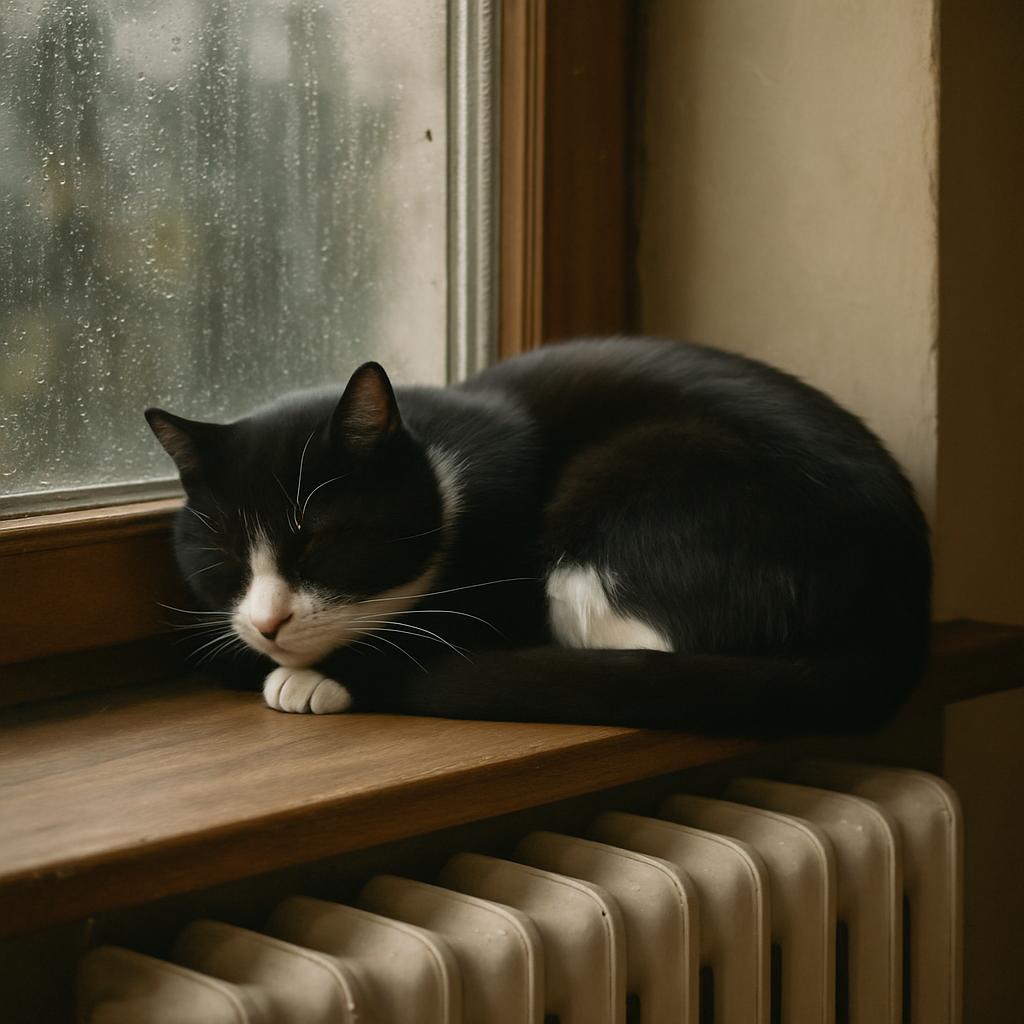
Pets can’t always tell us when they’re uncomfortable. It’s helpful to prepare their environment for cooler days and cooler nights. Start by checking their favorite resting spots. Areas near drafty windows or doors can become chilly. Adding a soft blanket or a pet bed with extra padding offers warmth and comfort.
If your pet stays outdoors for some part of the day, make sure their shelter is dry, insulated, and protected from wind. Provide fresh, clean bedding like straw or blankets that stay dry. Avoid using old towels that get damp easily, which can cause pets to chill.
Monitor their hydration and diet
Even as temperatures drop, pets need plenty of fresh water. Cooler weather sometimes means pets drink less, but hydration remains key to overall health. Check water bowls regularly to prevent freezing in the early mornings or evenings.
Some pets may need a slight increase in food during colder months to maintain body heat and energy. However, don’t just add calories without considering your pet’s activity level. Talk to your veterinarian if you think your pet’s diet should change with the seasons.
Watch for changes in behavior or health
Seasonal shifts can bring changes in your pet’s mood and behavior. A dog that seems less playful or a cat hiding more might be reacting to the cooler temperatures or less daylight. Look for signs like shivering, slowed movements, or even limping which could result from cold affecting joints.
If your pet has a chronic condition such as arthritis, colder weather often worsens symptoms. Keep an eye on their comfort and reach out to your vet if you notice any pain or stiffness.
Grooming and skin care
The transition from humid summer to drier fall weather can cause dry or itchy skin in pets. Regular brushing helps remove dead hair and distribute natural oils. If you notice flaking or irritation, consider using a moisturizing pet shampoo or consult your veterinarian for recommendations.
Avoid over-bathing, as this can strip your pet’s skin of essential oils, making dryness worse. Instead, focus on gentle care and maintaining a balanced grooming routine.
Maintaining exercise routines
Exercise keeps pets healthy and happy, but cooler weather might change their willingness to play outside. Some dogs enjoy the brisk air, while others might resist going out on chilly or wet days.
Try shortening walks to keep your pet active without overexposure to cold. Use doggy sweaters or coats if your pet tolerates them, especially for short-haired breeds or small dogs sensitive to temperature.
Indoor play is another good option when outdoor conditions aren’t ideal. Games like fetch in a hall, puzzle toys, or training sessions help burn energy and keep your pet’s mind engaged.
Preparing for seasonal hazards
As leaves fall and wet weather increases, outdoor areas can become slippery or hide hazards like sharp sticks and moldy piles. Check your yard regularly and keep paths clear for your pet’s safety.
Also, be cautious with seasonal plants and decorations. Some common fall plants like chrysanthemums, pumpkins, and certain nuts can be harmful if ingested. Keep these items out of reach and watch your pet closely during visits or outdoor play.
Helping your pet stay comfortable through changing weather is a mix of observation, preparation, and small adjustments. These steps make a big difference in your pet’s well-being and strengthen the bond you share. If you’re ever unsure about your pet’s health or behavior, don’t hesitate to reach out to your veterinarian for guidance.
For pet owners who like tracking routines and reminders, apps like Furbuz can help keep seasonal care tasks organized, so your pet stays happy and healthy all year long.