Keep your dog safe around water this fall
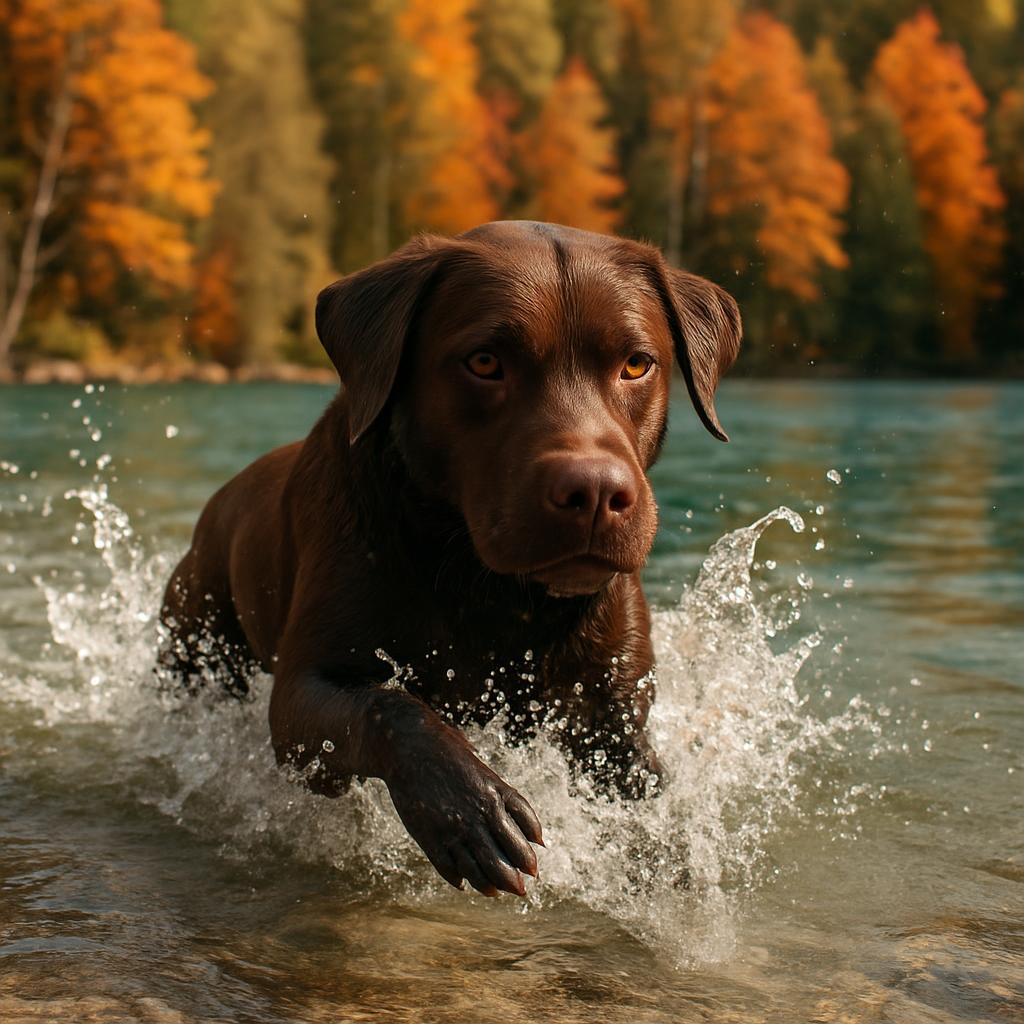
Fall is a great time to enjoy the outdoors with your dog. The cooler weather means less risk of overheating, and many dogs love splashing in the water before the cold really sets in. However, water safety should never be overlooked during this season. Lakes and ponds can have hidden dangers, and your dog’s swimming ability or stamina might change as the water cools.
Whether you live near a lake or like to take your dog swimming on fall hikes, keeping them safe around water can prevent accidents. Let’s look at some practical ways to prepare and protect your dog for water fun during fall outings.
Watch for changing water conditions
In fall, water bodies can become colder quickly and currents may strengthen due to rain or wind. Cooler water can sap your dog’s energy faster than warm water. Always check the water temperature and look for any warnings about water quality or strong currents before letting your dog swim.
Avoid letting your dog swim in fast-moving water or near dams and spillways where currents are unpredictable. If the water looks rough or murky, it’s safer to wait for another day. Also, be aware that fallen leaves and debris can hide hazards like sharp sticks or trash underwater.
Supervise your dog at all times near water
Even if your dog is a strong swimmer, never leave them unattended near water. Dogs can tire quickly, get caught in underwater plants, or panic if they accidentally swim too far from shore. Keep your dog within arm’s reach or close enough to jump in if necessary.
Use a long leash or a dog-specific life vest if you’re unsure about their swimming skills or if the water conditions are tricky. Life vests add buoyancy and have handles to help you lift your dog out of the water safely.
Prepare your dog before swimming outings
Practice swimming in safe, calm waters before heading to a lake or river in the fall. This will help your dog build confidence and endurance. Start with short swim sessions to prevent exhaustion and monitor how your dog responds to cooler water.
Make sure your dog is comfortable with recall commands and basic obedience before letting them off-leash near water. This can prevent them from swimming too far or chasing wildlife.
Dry and warm your dog after swimming
Fall air and water temperatures can quickly cause your dog to get chilly once they’re out of the water. Bring towels to dry your dog thoroughly and have a warm blanket or dog coat ready, especially for short-haired or smaller breeds.
Pay attention to your dog’s behavior after swimming. Shivering, lethargy, or pale gums can be signs of hypothermia and need immediate veterinary attention. Always have fresh water available to keep your dog hydrated as outdoor exercise plus swimming can be surprisingly tiring.
Know when to skip swimming days
Sometimes it’s best to skip water activities. Avoid swimming if your dog shows signs of illness, injury, or extreme fatigue. Also, if water looks unsafe due to algae blooms, pollution, or cold temperatures below 50°F (10°C), keep your dog on dry land.
Instead, opt for walks along the shore or play fetch on the beach to keep your dog entertained without risking their health.
Talk with your vet about your dog’s water activities
If your dog has health issues such as arthritis, heart problems, or respiratory conditions, swimming may not always be safe. Discuss your dog’s exercise routine and water activities with your veterinarian. They can help you plan a safe fitness regimen that includes or excludes swimming.
Water safety is part of responsible pet care year-round, but extra care in fall keeps your dog healthy and happy as the seasons change. With a little preparation and attention, you and your dog can enjoy many joyful lake visits and water play sessions safely.
If you use a pet care app like Furbuz, setting reminders for vet checkups or swim practice sessions can help keep your dog’s water adventures safe and fun.