How to keep your small dog active and happy in fall
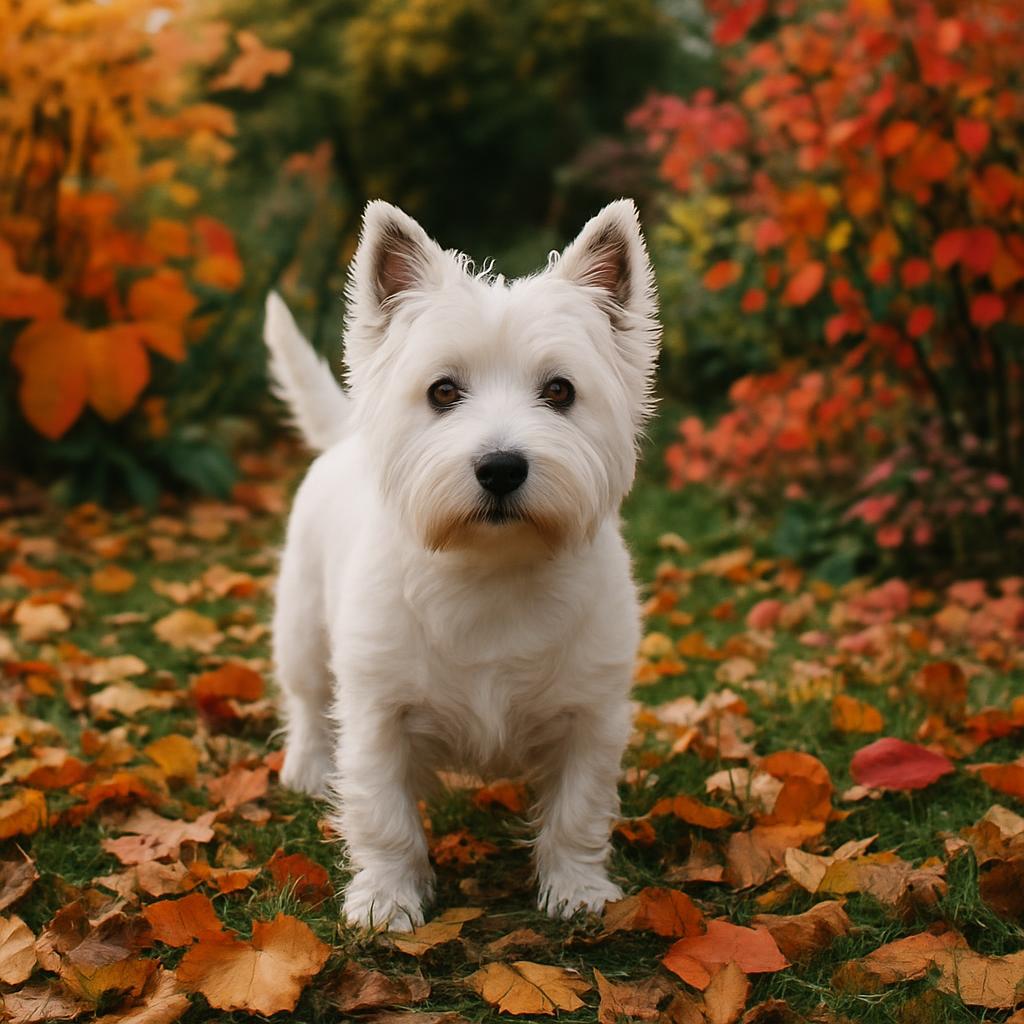
As the leaves turn and temperatures drop, many pet owners notice changes in their dog's activity levels. Small dogs, like terriers, often have plenty of energy but may need a bit of encouragement to stay active through fall's cooler, shorter days. Keeping your dog moving helps maintain their health, prevents weight gain, and supports their mental well-being.
Fall is also a perfect time to explore new outdoor activities and enrich your dog's routine. However, shorter daylight hours and unpredictable weather mean you need to plan and adapt your dog's exercise carefully. Here are some practical tips to keep your small dog active and happy this season.
Adjust walks to the changing daylight
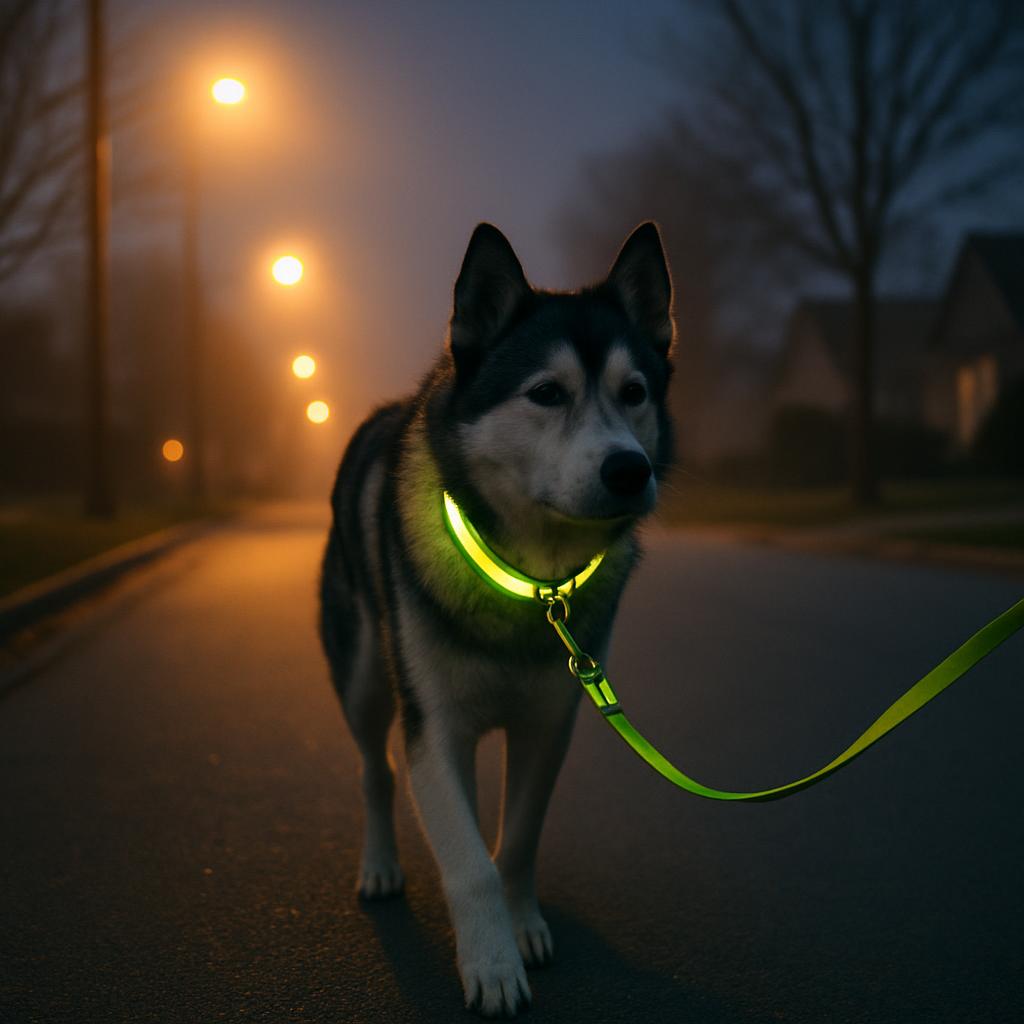
As daylight fades earlier, try to schedule walks during the brightest, warmest parts of the day. Mid-morning or early afternoon are often ideal. If you must walk in low light, use reflective collars or harnesses, and consider a light-up leash for safety. Stick to familiar routes to avoid surprises in the dark.
Keep walk times consistent to help your dog anticipate activity. If it’s too cold or wet outside, shorten the walk but add more frequent playtimes indoors. A brisk 15 to 20-minute walk several times a day helps small dogs burn energy and stay fit.
Use fall weather to your advantage
Cooler air can be invigorating for dogs, encouraging playful behavior. Visit local parks or dog-friendly trails to explore the changing scenery together. Small dogs benefit from new smells and sights, which stimulate their minds.
Be mindful of temperature swings. If your dog has a short coat or is sensitive to cold, consider a lightweight dog sweater for outdoor adventures. Avoid letting your dog stay out too long during chilly or damp weather to prevent discomfort or illness.
Create indoor play opportunities
When outdoor time is limited, keep your small dog engaged indoors. Interactive toys like treat-dispensing puzzles can challenge their brain and reduce boredom. Games such as hide-and-seek with toys or treats can encourage movement and mental focus.
Set up a small obstacle course using household items to promote agility and exercise. Even tossing a ball or playing gentle tug can burn off energy. Rotate toys regularly to keep your dog interested.
Monitor diet and weight
With less outdoor activity, your dog's calorie needs may decrease. Adjust food portions accordingly to avoid weight gain, which puts extra strain on joints and overall health. Talk with your veterinarian if you are unsure about your dog’s ideal weight or diet changes.
Keep fresh water available at all times, especially after exercise. Proper hydration supports energy levels and overall well-being.
Watch for signs of discomfort or health changes
Fall can bring challenges like joint stiffness or seasonal allergies. Small breeds may show signs of discomfort as the weather cools. Look for limping, reluctance to move, or excessive licking of paws.
If you notice these signs, consult your veterinarian. They can recommend treatments or adjustments to your dog’s routine to keep them comfortable and active.
Maintain a balanced routine for mental health
Activity isn’t only physical. Social interaction, training, and bonding help your dog feel secure and happy. Use fall evenings for gentle training sessions or cuddling time.
Keeping a consistent routine with set meal, walk, and playtimes helps reduce stress and keeps your dog balanced as seasons change.
With thoughtful planning, your small dog can enjoy all that fall has to offer. Stay active, watch their health, and cherish the cozy moments together.