Helping your pet adjust to shorter days
As the days grow shorter and the sun sets earlier, many pet owners notice changes in their pets' behavior and energy levels. This shift can be subtle but impactful, especially for pets who thrive on routine and outdoor activity. Helping your pet adjust to less daylight helps keep them happy and healthy.
Changes in daylight affect pets much like they do people. Some pets might sleep more or seem less eager to play outside. Others may become restless or anxious. By understanding these changes and making small adjustments, you can ease your pet’s transition and keep daily life comfortable for both of you.
Recognize signs your pet is affected by shorter days
Pets respond to light changes in different ways. Watch for signs like increased sleep, decreased appetite, or less interest in walks and playtime. Some dogs and cats may become clingier or more vocal. If your pet seems more anxious or restless, it could be due to the change in routine and daylight.
Pay attention to changes in mood and behavior. A pet that usually greets you eagerly but now seems withdrawn might need extra comfort or stimulation. Note any changes in bathroom habits or energy levels, as these also can reflect how your pet is coping.
Adjust your pet’s daily routine gradually
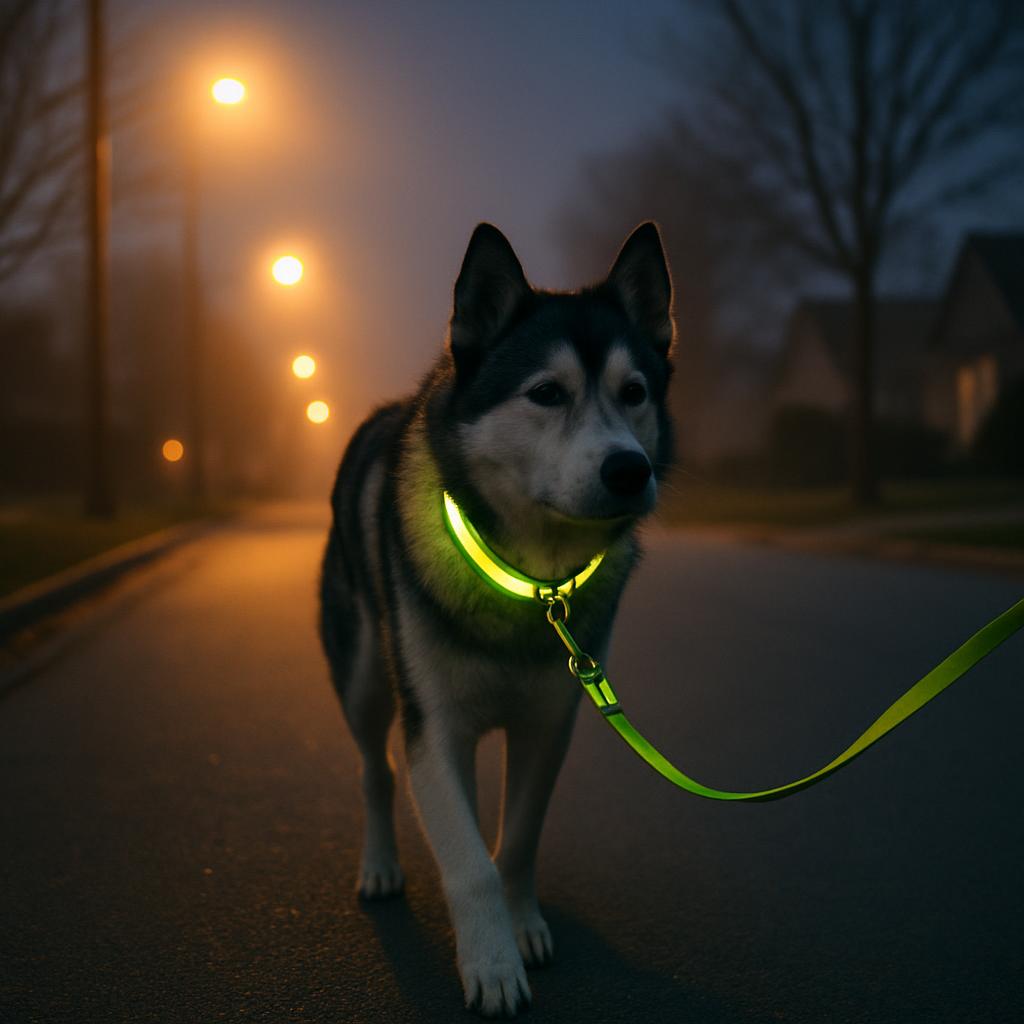
Try to keep your pet’s feeding, walking, and playtimes consistent, but be ready to tweak them as daylight changes. For example, if your dog usually enjoys a late afternoon walk, you might shift it earlier to catch more light. Indoor play sessions can help make up for reduced outdoor time.
Using natural light during the day can help regulate your pet’s internal clock. Open curtains and blinds to let in sunlight, especially in the morning. If your home feels darker, consider adding soft lighting to your pet’s favorite spots to make them feel cozy and safe.
Create a warm and inviting indoor environment
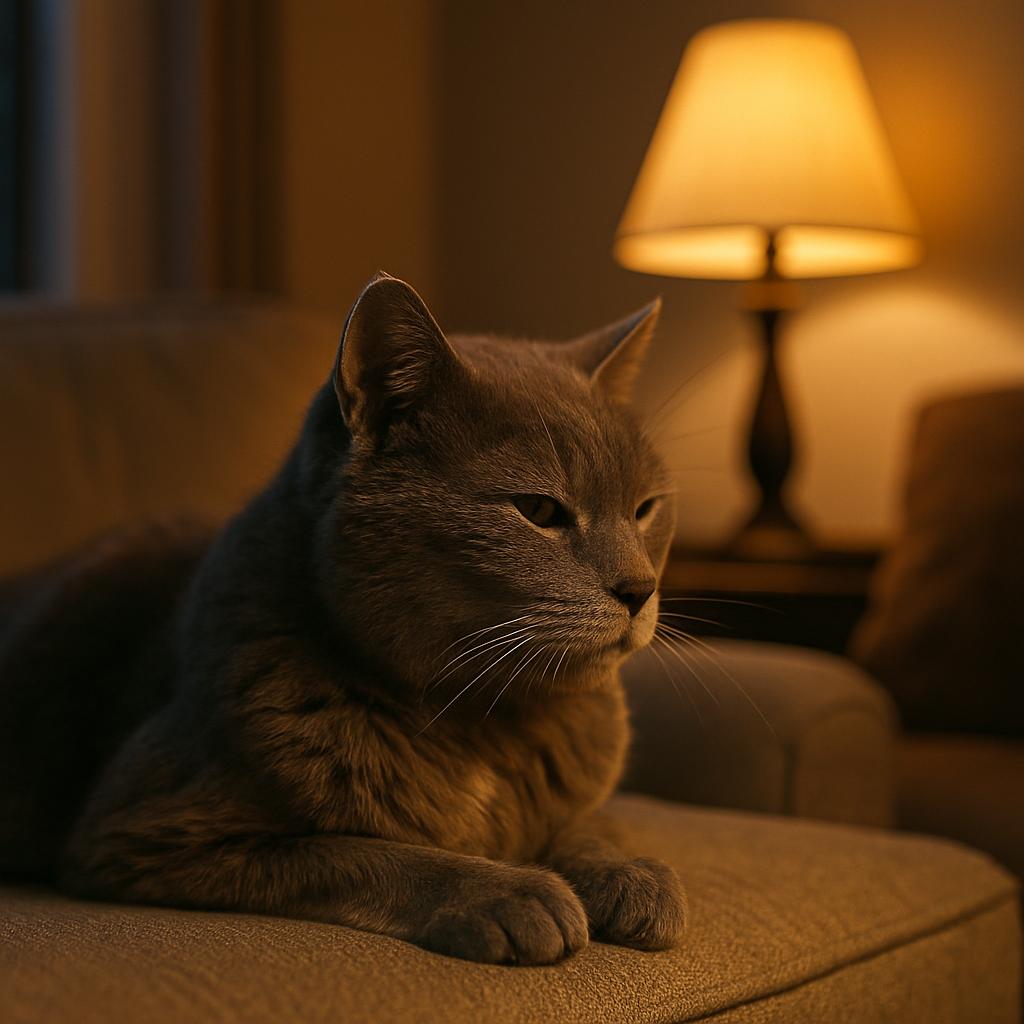
Shorter days often mean cooler temperatures and more time indoors. Make sure your pet has a comfortable place to rest that feels warm and inviting. Soft blankets, pet beds near sunny windows, or cozy spots away from drafts help your pet feel secure.
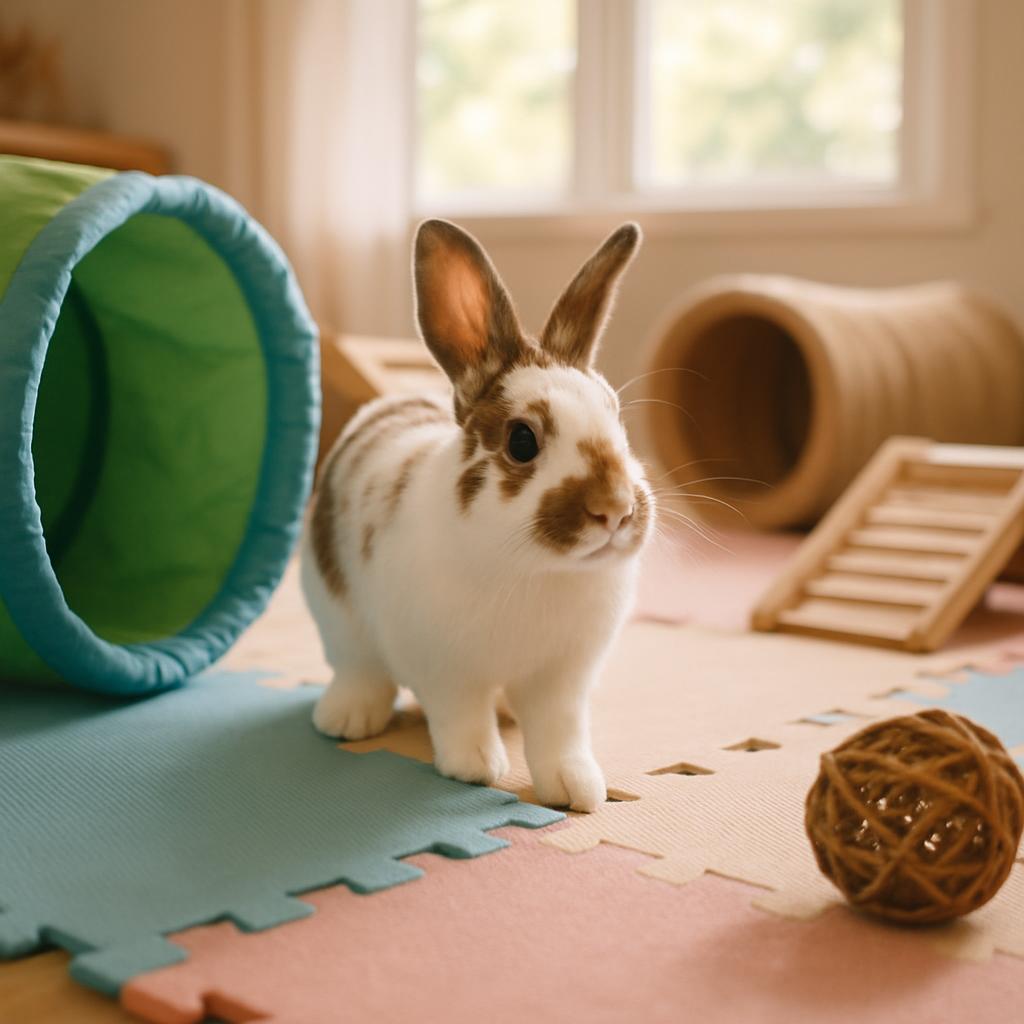
You might also rotate toys or introduce new ones to keep your pet mentally engaged. Puzzle feeders or treat-dispensing toys can provide stimulation when outdoor playtime is limited. This keeps your pet active and prevents boredom.
Monitor your pet’s health and mood
Seasonal changes can sometimes affect pets with existing health issues, such as arthritis or skin conditions. Watch for signs of discomfort or worsening symptoms. If your pet seems unusually lethargic, loses appetite, or shows other concerning signs, contact your veterinarian.
Regular vet check-ups can help catch problems early, especially as the seasons change. Your vet can offer advice tailored to your pet’s needs and may suggest supplements or treatments if necessary.
Consider your pet’s breed and personality
Some breeds and individual pets are more sensitive to changes in daylight and temperature. For example, dogs with thick coats might be comfortable outdoors longer, while short-haired breeds may prefer indoor warmth sooner.
Similarly, older pets or those with health conditions may need extra care during this transition. Understanding your pet’s unique needs helps you provide the right balance of activity, rest, and comfort.
Keep a routine with the help of tools
Using reminders or trackers — like the Furbuz app — can help you maintain a consistent routine as days grow shorter. Scheduling walks, feeding, and playtime ensures your pet stays active and cared for even as natural light diminishes.
Involving your whole family in pet care routines can also keep things smooth. Everyone can pitch in to ensure your pet gets enough attention and exercise, regardless of shifting daylight hours.
Supporting your pet through seasonal changes takes patience and observation. By tuning in to their needs and adjusting routines thoughtfully, you make the transition easier and more enjoyable for your furry friend.