Creating a safe indoor play area for small pets
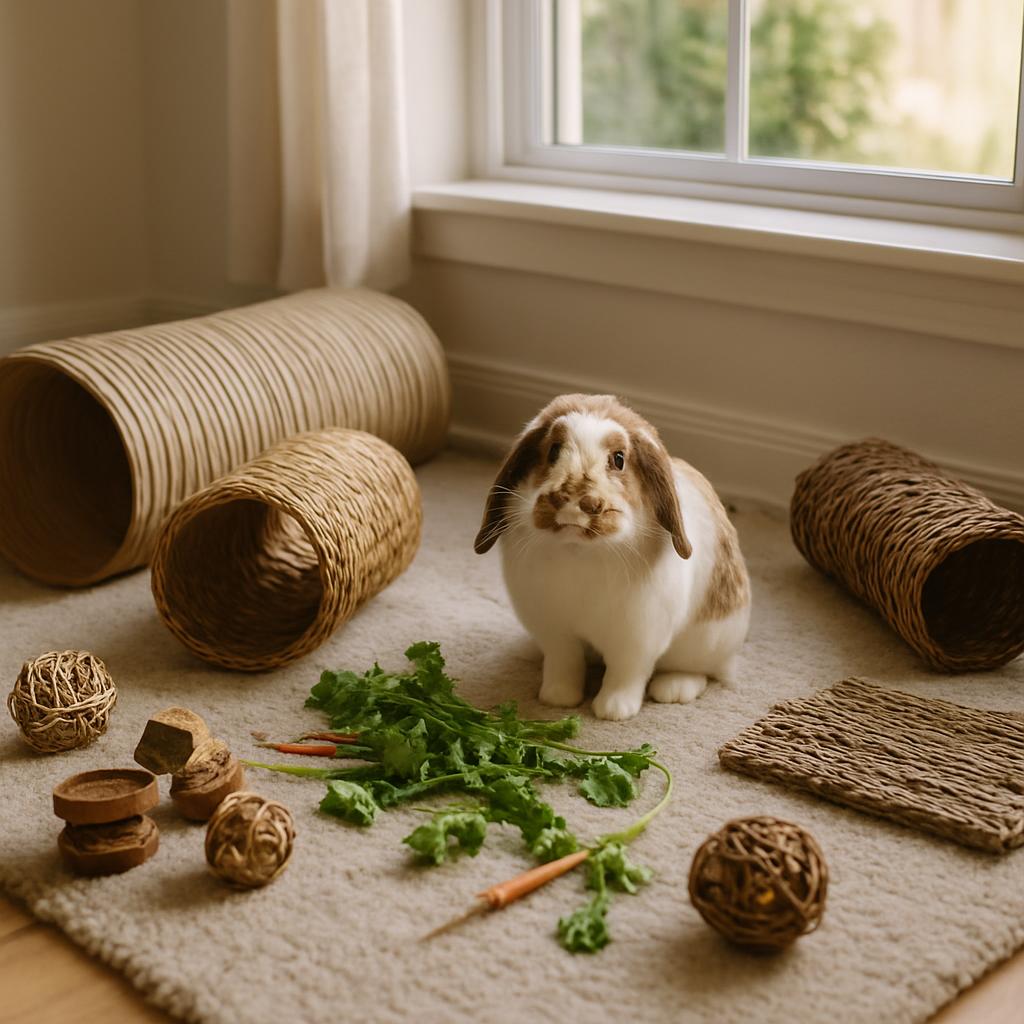
Rabbits and guinea pigs need plenty of space to explore and play, even when they live indoors. Setting up a safe play area helps them get exercise and satisfy their natural curiosity. It also prevents boredom and keeps them mentally healthy.
Creating an environment that mimics some of their natural behaviors will make your small pet feel comfortable and secure. Before you start, think about where in your home this play area will go and how much space you can offer.
Choose a protected spot with soft flooring
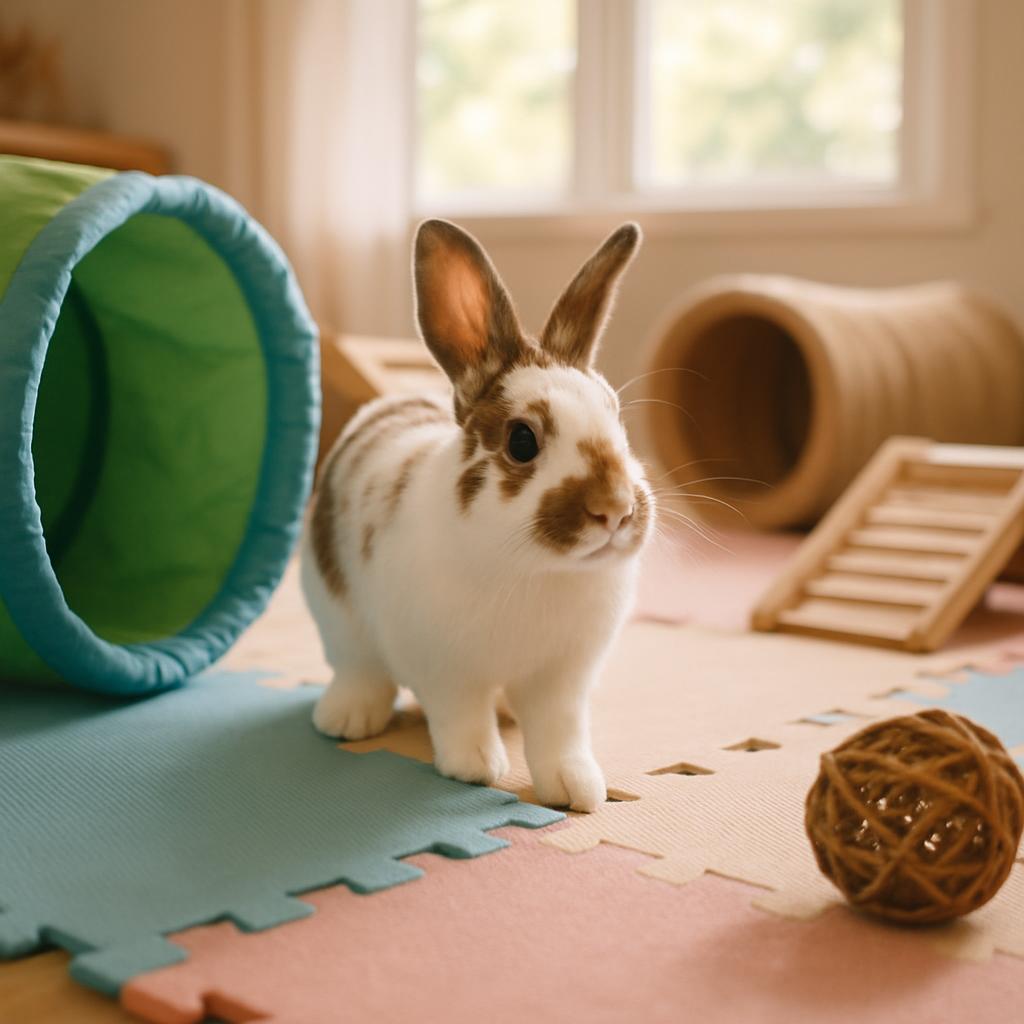
Small pets are delicate, so the floor of their play area should be soft and non-slip. Avoid hard surfaces like tile or hardwood without any covering. You can use rugs, foam mats, or layered towels to cushion the floor. This helps prevent sore hocks in rabbits and protects their feet.
Make sure the spot is free from drafts and direct sunlight, which can make your pet uncomfortable. A quiet corner is often best, away from loud noises or busy foot traffic.
Add tunnels and hiding places
Rabbits and guinea pigs love to hide and explore. Adding tunnels, boxes, or small pet tents provides them safe spots to feel secure. Cardboard boxes with entry holes are inexpensive and easy to replace when worn.
Try arranging a few tunnels and hideouts in different shapes and sizes. This variety encourages movement and natural behaviors like burrowing and nesting.
Include chew toys and safe items to nibble
Both rabbits and guinea pigs need to chew constantly to keep their teeth healthy. Providing chew toys made from untreated wood, hay, or cardboard is essential. Avoid plastic or painted items that could be harmful.
Fresh hay should always be available in the play area, along with occasional leafy greens if supervised. This keeps their diet balanced while they play.
Create a digging area
Many small pets enjoy digging, which is a natural instinct. Fill a shallow bin with shredded paper, hay, or soil (make sure it’s pesticide-free) to let them dig safely. Supervise this activity to prevent messes or ingestion of unsuitable materials.
Maintain cleanliness and safety
Regularly clean the play area to prevent build-up of waste and odors. Wash any fabric items or mats as needed. Avoid using harsh cleaners around your pets.
Check the play space daily for anything your pet could chew and swallow that might be dangerous, like loose wires or small objects. Secure electrical cords and keep toxic plants or foods out of reach.
Supervise playtime and rotate toys
Even in a safe space, it’s good to watch your pet while they play. This helps you notice any risky behaviors or health changes.
Rotate toys and rearrange the play area regularly. New setups and objects keep your pet interested and mentally stimulated.
Creating a safe indoor play area needs some planning but brings lots of rewards. Your rabbit or guinea pig will be happier and healthier with space to explore and express natural behaviors. Always consult your vet if you have questions about your small pet’s needs or health.