Comfort tips for senior cats as the days get cooler
As the temperature starts to drop and the days grow shorter, senior cats can feel the chill more than younger pets. Older cats often have a harder time regulating their body temperature and may feel more discomfort with the change in seasons. Making a few adjustments at home can help your senior cat stay warm, comfortable, and happy as the weather cools down.
Many senior cats also experience joint stiffness or arthritis, which can worsen in colder months. Creating a cozy, accessible space and watching for signs of discomfort will help your cat enjoy this season without extra stress. Here are some practical tips to support your aging feline through cooler days and nights.
Keep their favorite resting spots warm and cozy
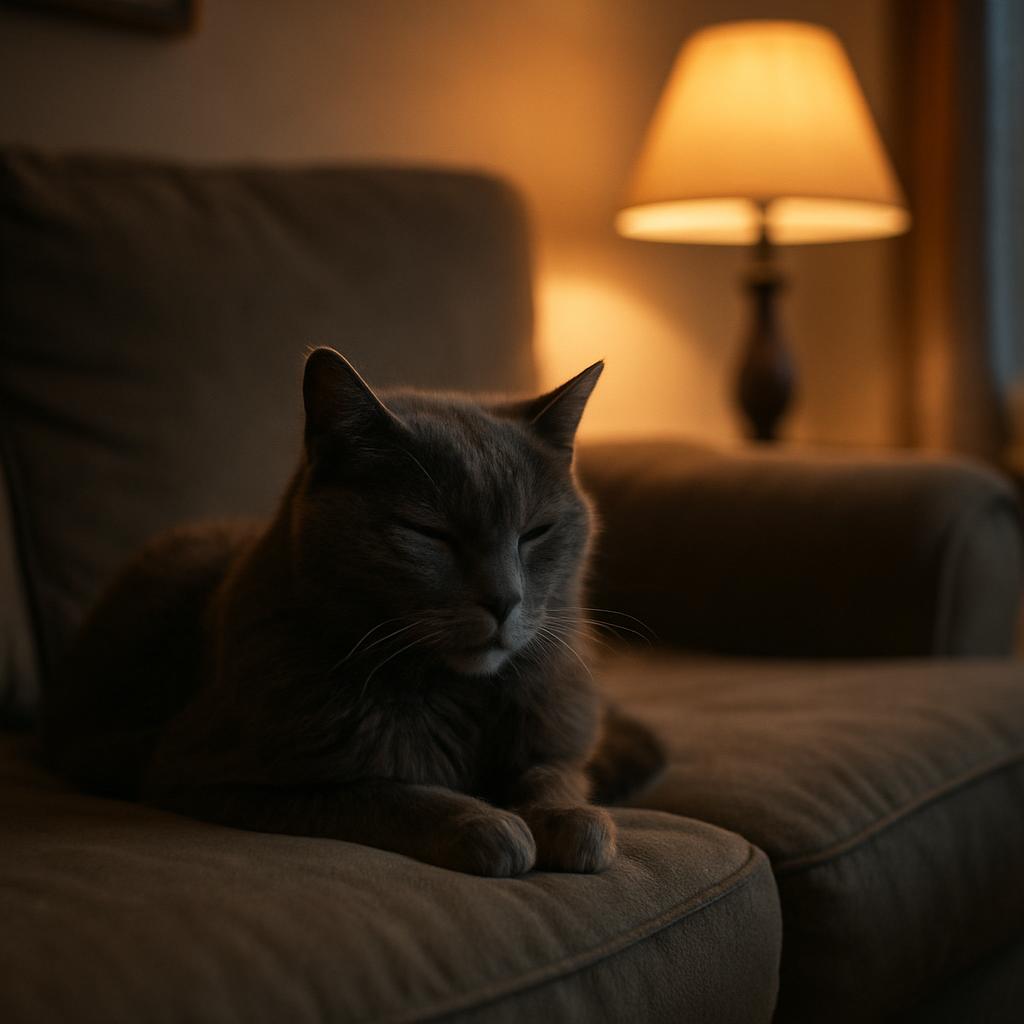
Senior cats usually have favorite spots where they love to nap or relax. These areas can become chilly with the drop in temperature, so adding extra warmth can make a big difference. Consider placing soft, warm blankets or a cat bed with extra padding in these locations. Heated mats designed for pets can also provide gentle warmth, but always supervise their use and choose models with automatic shutoff for safety.
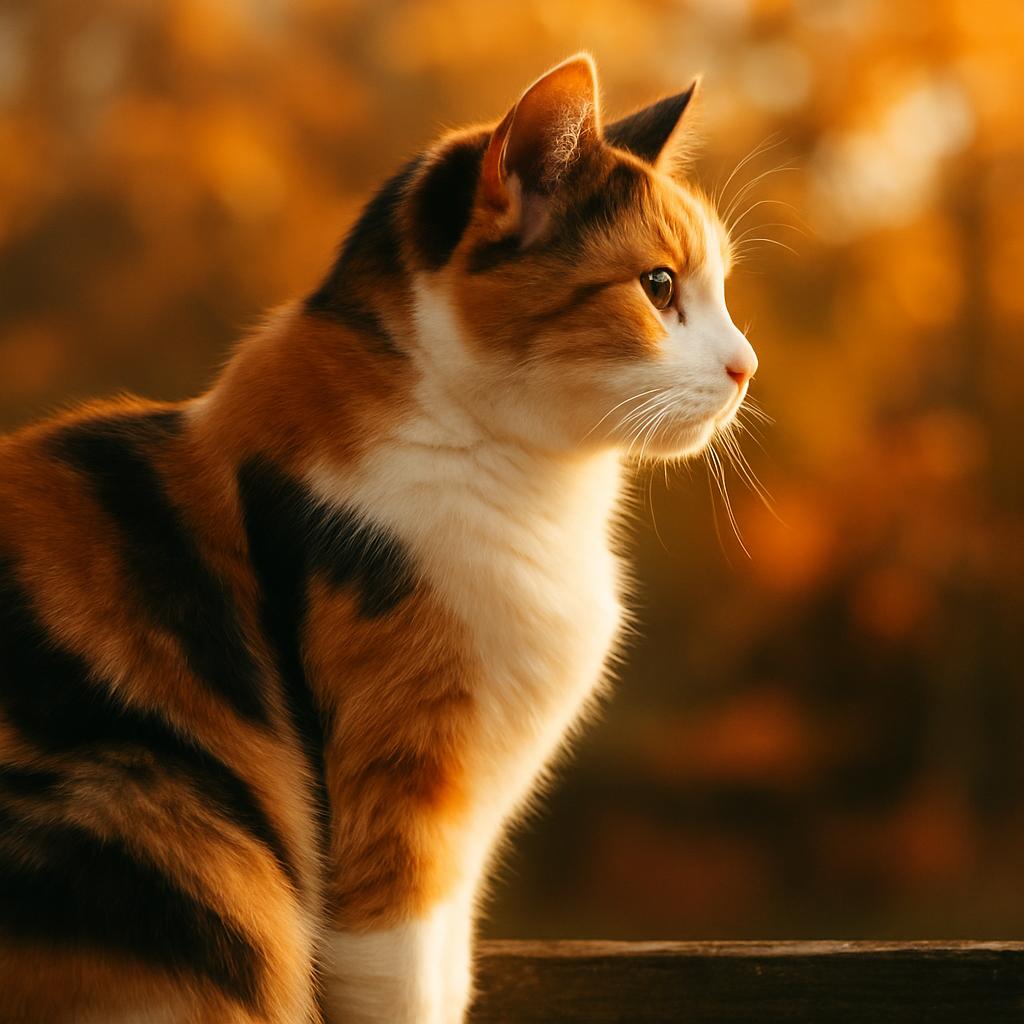
If your cat enjoys a sunny spot during the day, try to keep that area clear of clutter to let the sun's warmth reach them. At night, placing a warm blanket or a heated bed near their resting spot can help them stay comfortable. Avoid drafts near windows or doors, which can make resting areas less cozy.
Make mobility easier and joint pain less noticeable
Arthritis and joint stiffness can make it harder for senior cats to jump or climb. To help them move comfortably, provide ramps or steps to favorite furniture or sleeping areas. Low-sided litter boxes with easy access can also reduce strain when your cat needs to use the bathroom.
Keep an eye out for signs of discomfort, like limping, reluctance to jump, or changes in grooming habits. These can indicate pain or stiffness. If you notice these signs, a visit to the veterinarian is a good idea. They can recommend treatments or supplements to ease joint pain and improve mobility.
Maintain a consistent routine and diet
Older cats thrive on routine, which can help reduce stress as seasons change. Keep feeding times, play sessions, and grooming consistent to provide a stable environment. Diet plays a key role in overall health, especially for senior cats. Some may benefit from food formulated to support joint health or maintain a healthy weight.
Talk with your vet about your cat’s specific nutritional needs during cooler months. Staying hydrated is important too, so ensure your cat has easy access to fresh water at all times.
Monitor for changes in behavior or health
Cooler weather can sometimes make senior cats less active or more withdrawn. Keep a close eye on your cat’s behavior and health. Look for changes in appetite, litter box habits, activity levels, or grooming. Early signs of health issues can include hiding more than usual, weight loss, or increased vocalization.
If you notice anything unusual, don’t hesitate to reach out to your veterinarian. Regular check-ups are especially important for senior cats to catch and manage age-related conditions early.
Provide extra affection and mental stimulation
As days get shorter and your cat may spend more time indoors, offering extra attention and gentle play can keep their spirits up. Short play sessions with favorite toys can encourage movement without overexertion. Puzzle feeders or treat balls are great ways to engage their mind and slow down eating.
Gentle petting, brushing, and spending quiet time together can also strengthen your bond and provide comfort. Senior cats appreciate calm and predictable interactions, especially when the environment changes with the seasons.
By making these small changes, you’ll help your senior cat stay warm, comfortable, and cared for as the weather cools. A cozy home with thoughtful attention to their needs goes a long way in supporting your companion through their golden years.